
Housing Silk Worms
Day 17, 4.5 hours spent feeding worms today.
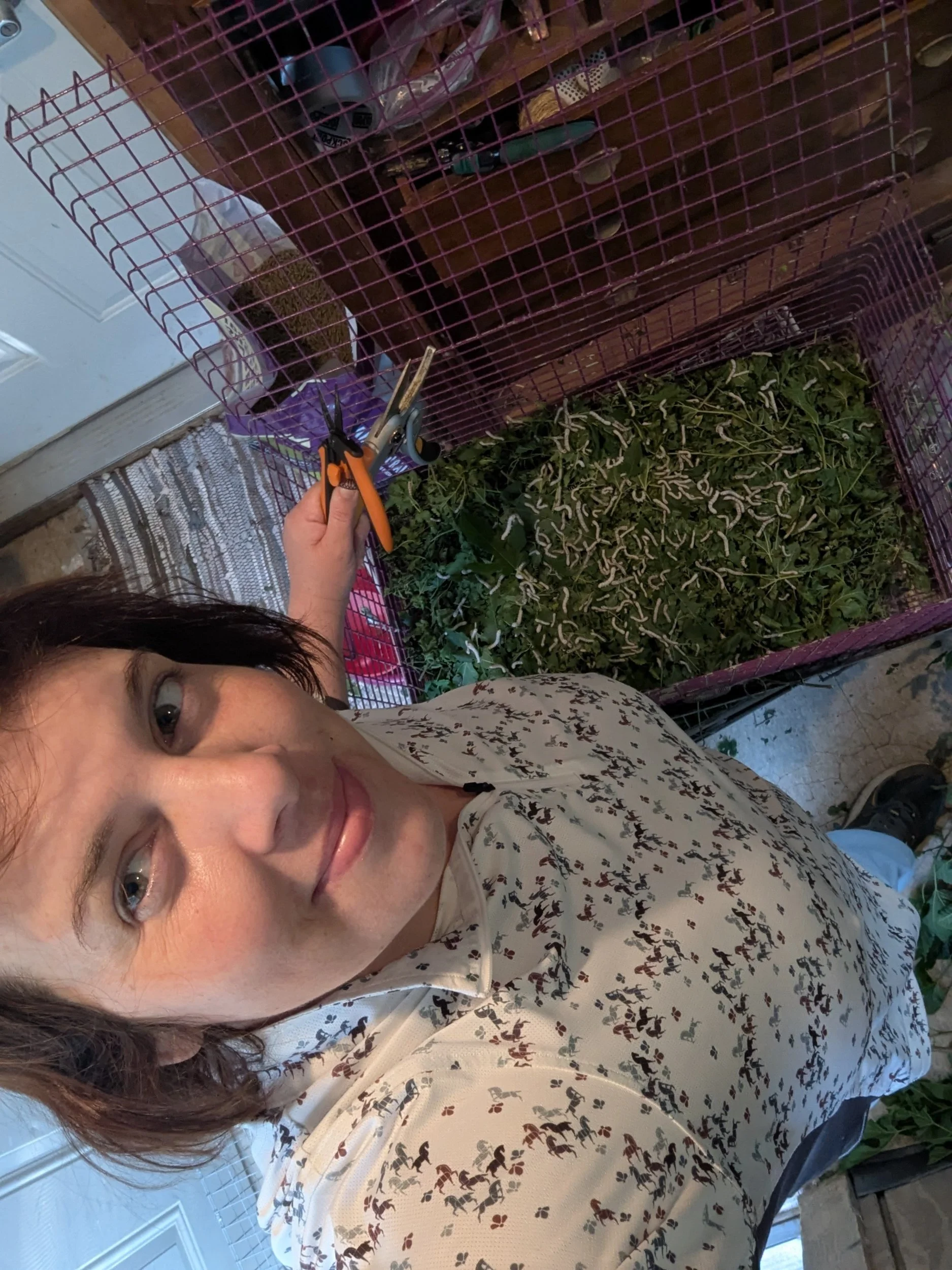
Facebook is host to two global silk worm communities, for breeders and the other for traders of the various moth egg swaps. The communities are slow moving in all seasons but Spring. The newcomers are sparse, but when they do find the group, the most popular question is “How do I house my worms?” The comments vary from paper products to plastic crates and my personal favorite, wire baskets from Ikea.
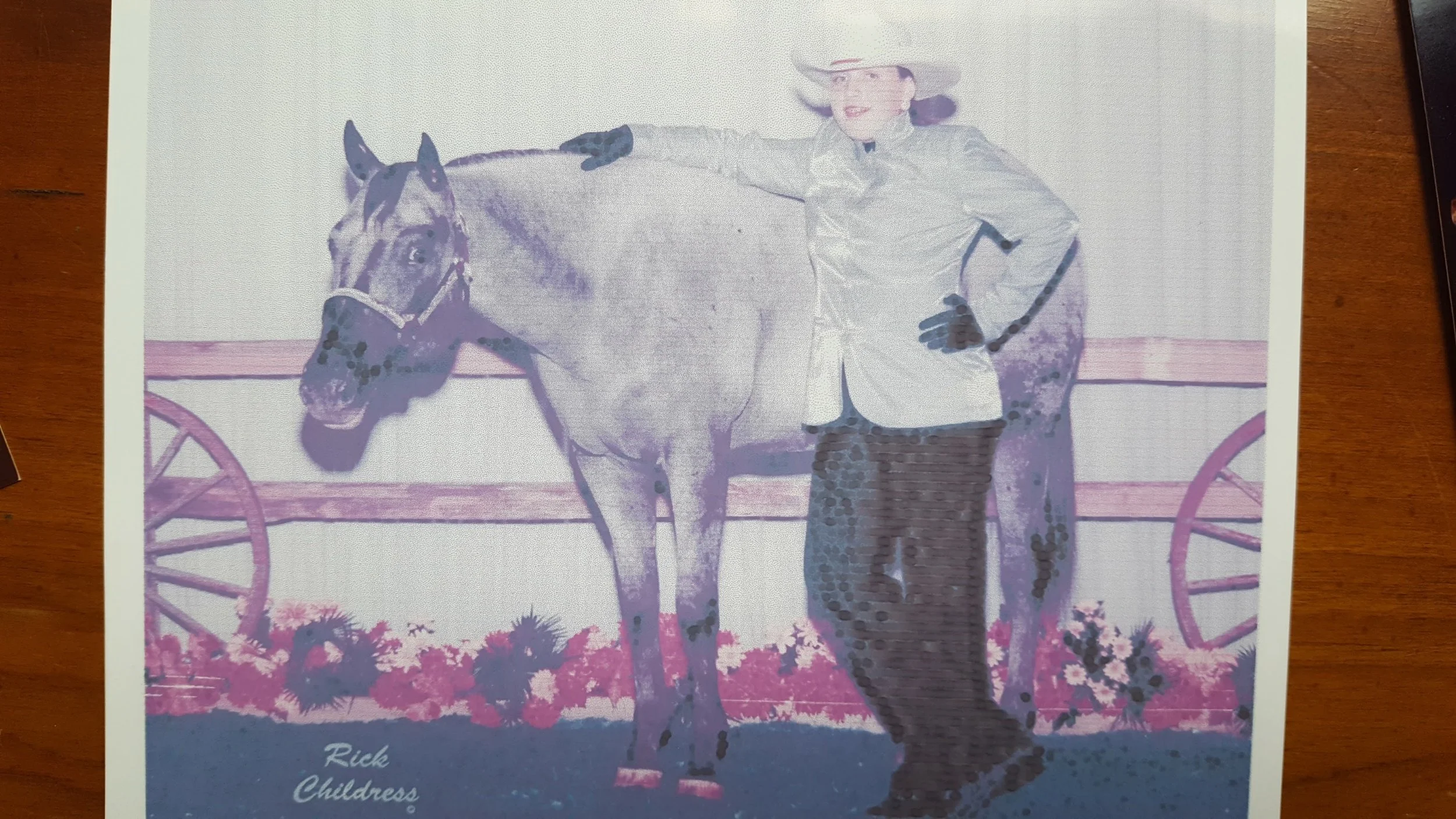
Streak of Shame
My amazing show pony Sparky, POA, from my early teen years. She lived on the family farm from purchase at age 3 till her death, on the day I found out I was pregnant with Robert.
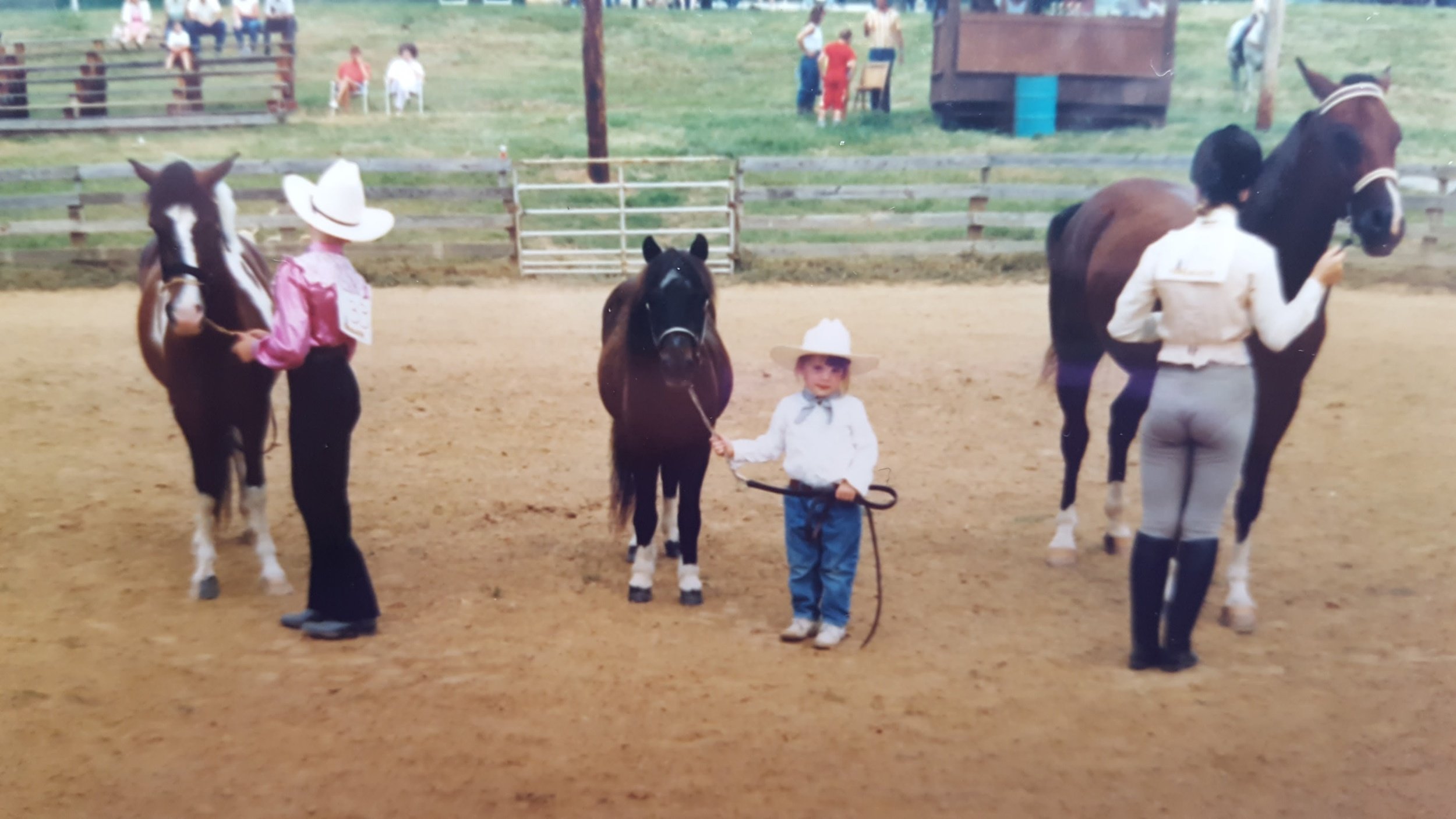
Ralph and Cat, Shortest and Bravest
In the middle with my pony Ralph, I couldn’t have been more than 4 or 5 years old.
I was an equestrian first, then a rabbit breeder, and now the worms. The rule for housing animals is the same, house the animals as per your environment and needs. A horse in Canada does not need the same style of barn as a Florida horse. My rabbits do great living in an open barn, under a tree with fans in the summer. Anyone raising Angora South of me, Kentucky and Southern, generally use air conditions in their rabbit housing. I have my way of housing my worms, it is very different from the other ways of worm housing that I have seen across the world.

The Fort Wayne Christmas Show
I showed three generations that weekend
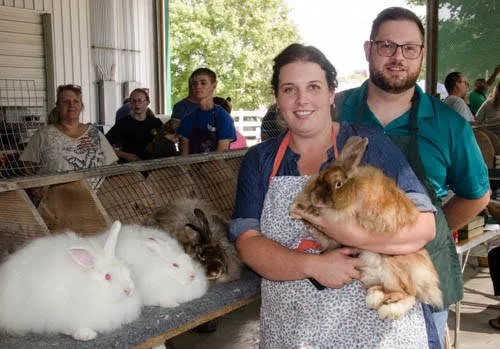
Clean Sweep
My Angora swept the Satin Angora table at a UARC specialty in 2019.
I have an old, expensive book that I purchased from another worm farmer, years ago. I want to spend time living and working in a sericulture facility in Japan. I come back to the book often for ideas in how to better my program. I expect a trip to Japan will revamp the way I, personally, tend my worms.
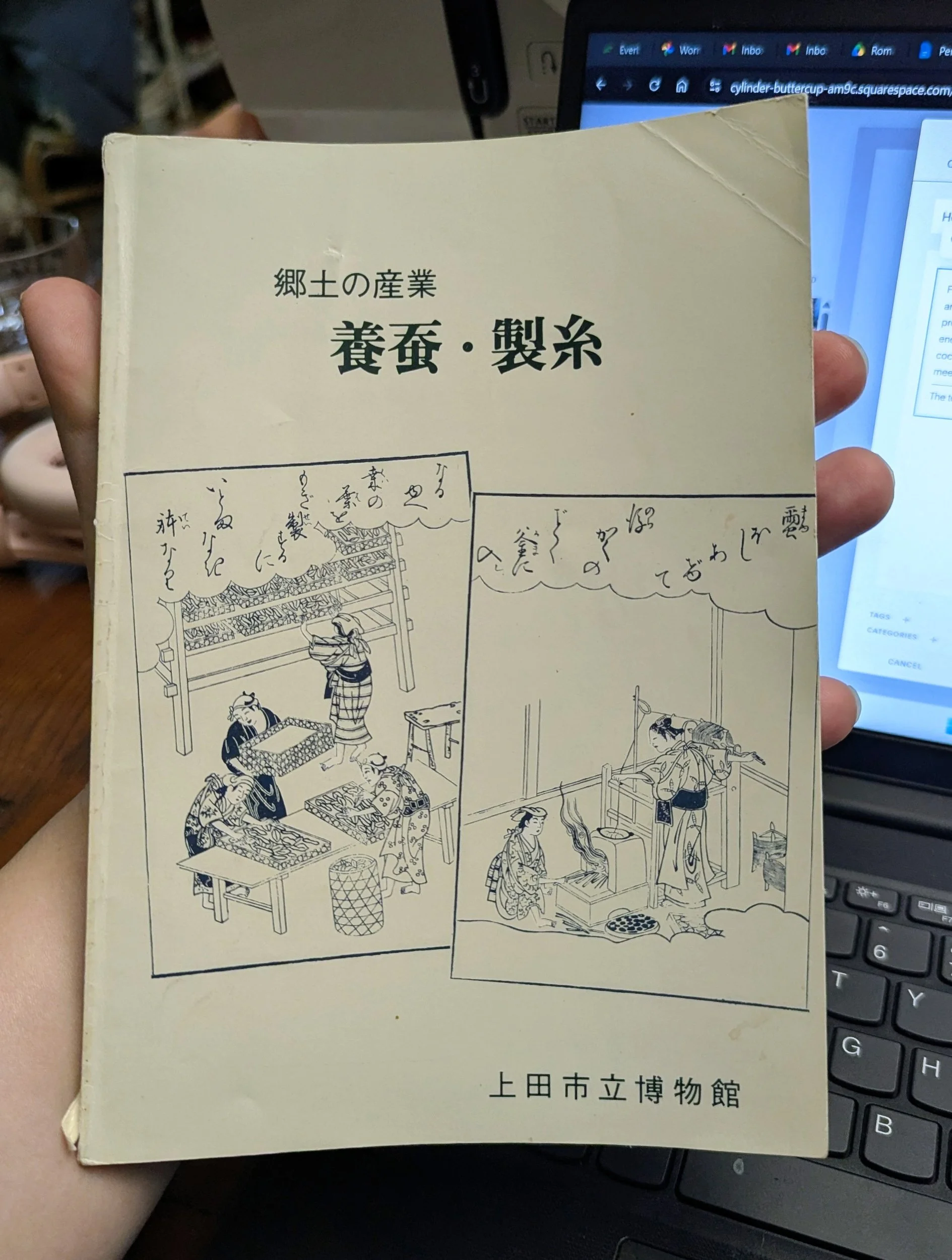
It was a very expensive little book to purchase.
I have read the History of Japanese Sericulture twice by holding my phone over the pages, reading through the perspective of Google translate. In pictures presented in the book, I would like to share the ways tried by the professionals.
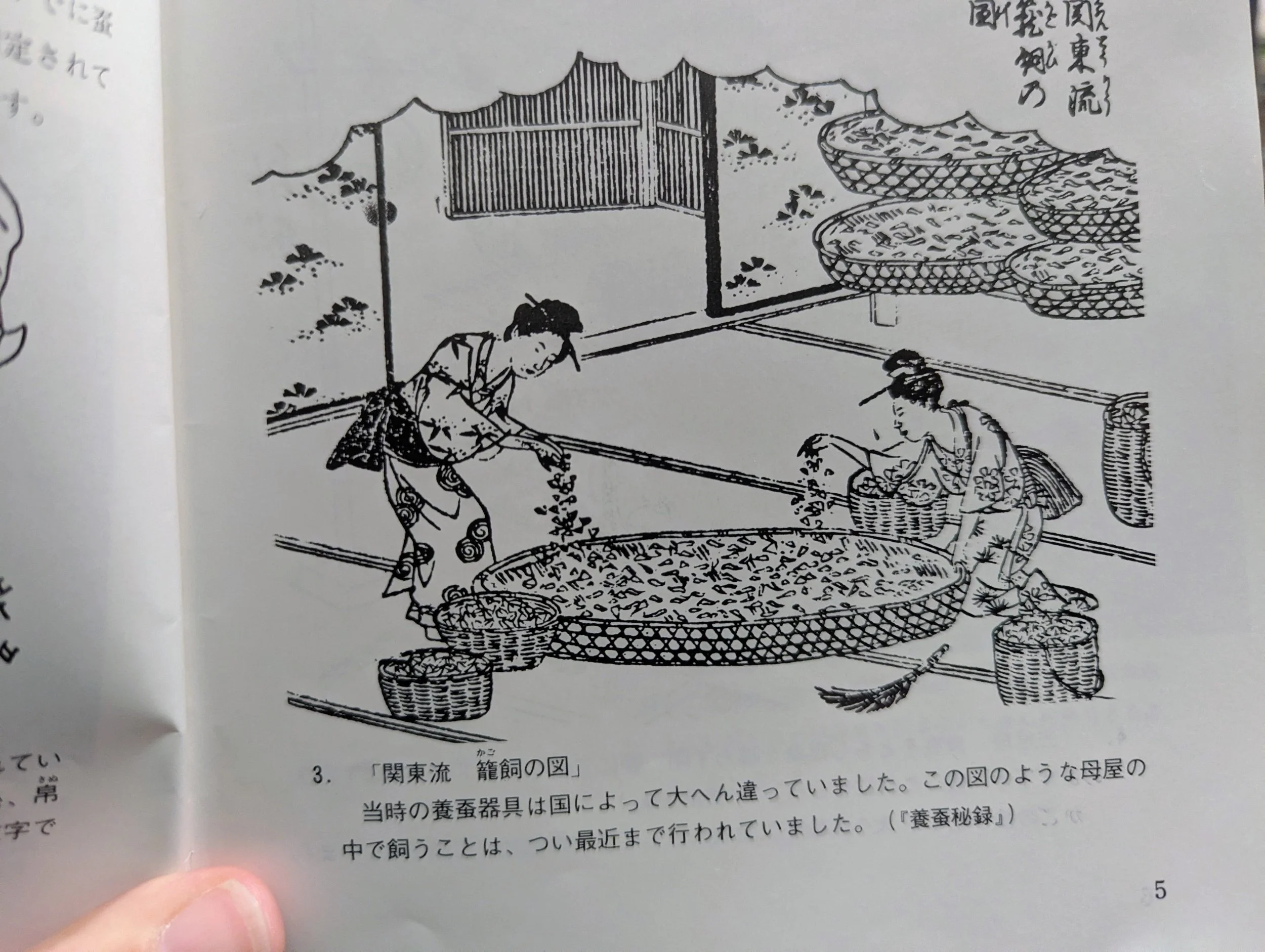
Breathable Baskets
The first thing I notice is that the worms are receiving leaves in sprinkles. It is easier, quicker, and less messy to offer whole stems to the worms.
Feeding trimmings is far more labor intensive and messy. But, the worms will cluster on stems, they stay spread out on leaves. The worms damage each other by touching in clusters.
The baskets are breathable, and droppings will fall through.
You can see a broom on the bottom right. I’m sure for cleaning up the dropping shakings coming from moving the baskets. It is easy to keep worm feeding clothing clean, floors are another story.
Using baskets to raise silk worms was common in households across the Japanese providences in antiquity . Shelves for the baskets were layered, built into the wall of their housing structures. These baskets are not only for worms, you can find the exact basket for sale today at well stocked Eastern and Asian markets. I live in Ohio, frequenting the Far Eastern Market located by Wright Airforce Base. The baskets are $30 each, and are food grade safe. I want to put a number to how many worms can live on each basket when they are near full weight for cocooning, 200ish worms per basket at 3inches long each. Baskets with lips are better, the mulberry leaves tend to spread out. You don’t want to lose your worms when your leaves fall out of the basket. I have tried 18” baskets with young worms, the baskets are messy and flimsy compared to what I prefer, rabbit travel cages with metal trays. The worm poop falls through the basket (as it should to keep the worms clean), leaving worm casings coving the floors.
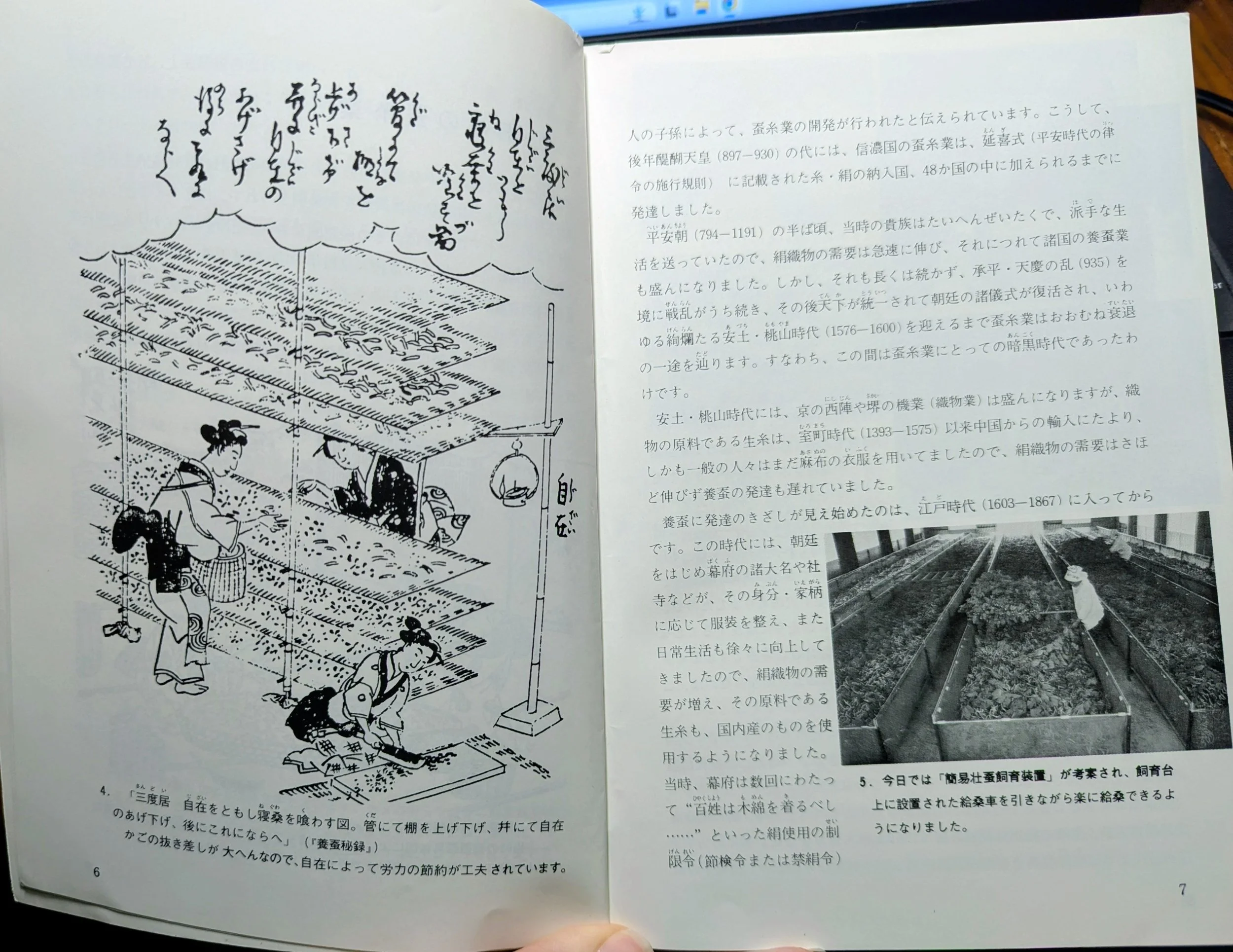
Moving trays of worms takes time.
The book highlights, frequently, that the Japanese focused on efficiency of feeding the worms, attempting to cut down on feeding times. I would like to have more details into how they are preventing mold spores growing in the worm feeding habitat.
Housing Silk Worms, the fundamental principles (as I see them)
Temperature, lows in the 60s, highs in the low 80s. Never above 90.
Humidity, 60% to 100%. - 80% to 85% for shedding ability peak to mold in cage ration
Feed, young, blight free leaves - look for young groups of sapling Mulberry, then don’t mow that area for 2 years until you have a patch Mulberry trees. Pick a shady spot for your patch, like on the edge of larger trees, you’ll be in the area frequently.
Day and Night Cycles, the worm eats upwards towards sunlight, they rest when it is dark. A June batch of worms will eat 18 hours a day. An overhead light is a good supplement to sunlight, but not left on overnight.
The worm climbs up to the youngest leaves in the newest growth of the tree, the poop falls down to the ground, away from being harmful to the worm.
You must mimic the lifestyle of the worm in your habitat. If you are raising 100 worms, then paper bags from the grocery store will be fine (short bags to ensure the worms get light and do not overheat.)
Worms become a heat source. My worms live in a 8x12 mudroom. When the worms are in the final week of feeding, the heat they produce has heated the room an additional 10 degrees above the set gauge!
Adventures in selecting housing, woven fine wire over a wood frame, large cardboard boxes with wire racks, an iguana cage, rabbit travel cages, chicken boxes from Tractor Supply. The worms are not going to run away, they will stay where the food is. This is a matter of food storage and poop cleanup, get creative! Find the space that works for raising worms, i.e. heat and humidity! Then think big with containers that work for your space.
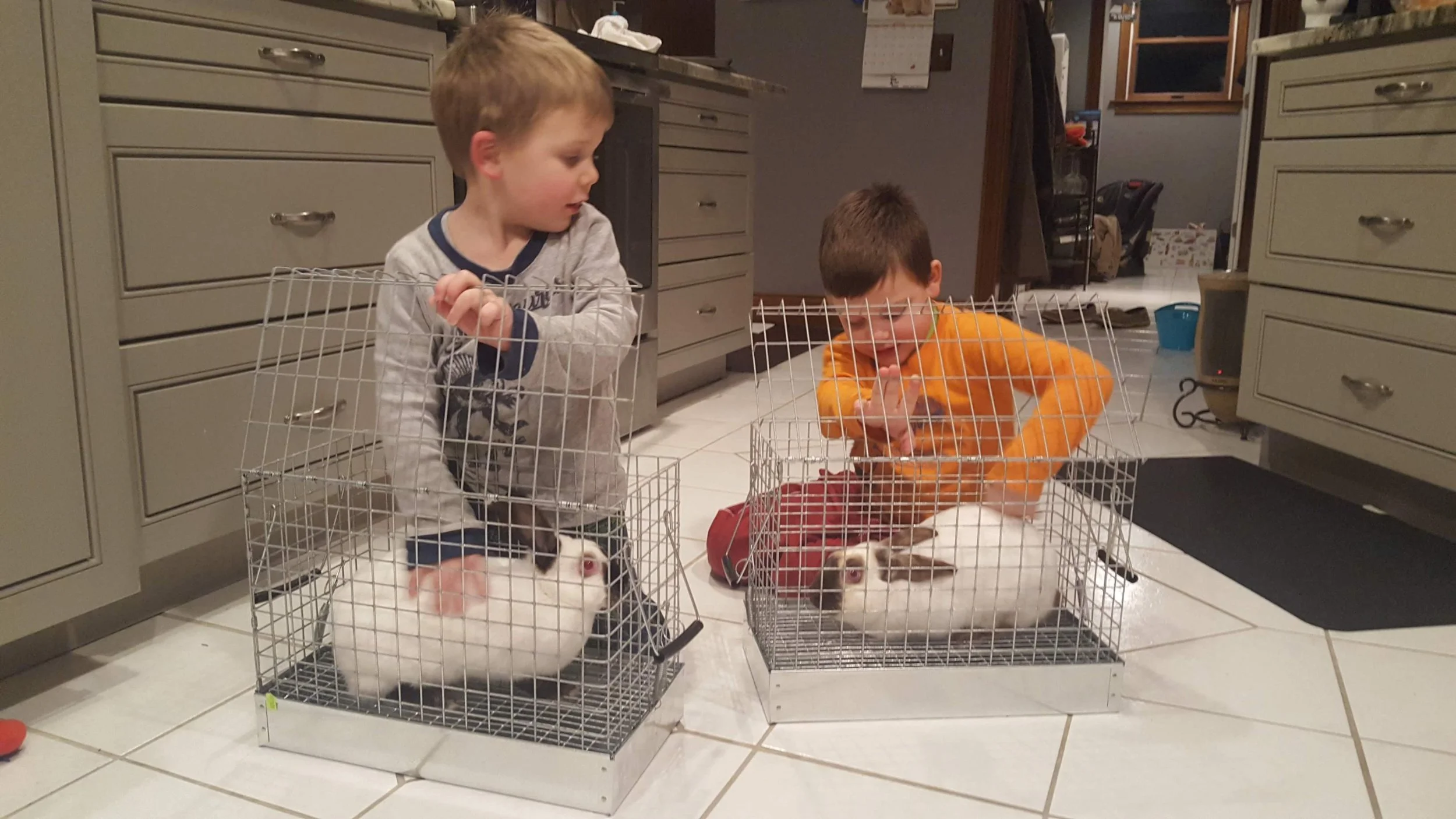
My rabbit carriers used to house worms have removable trays with wire floors, for rabbits to be away from poop and pee during travel for showing. I have over 25 carriers for my rabbits. (in an emergency, like wildfire, I want to be able to save all my rabbits so I keep 1:1 rabbit to carriers.) With the cages being all wire, they do not trap heat, mold is rarely an issue when used for housing the worms, unless I have a buildup of old leaf matter and the humidity is unbearably high.
Location, Location, Location - the end of this historical themed blog post talks about the heat wave of 2024 when I lost over 1,000 worms at 33 days, and contains photos of my set up.